Recording Engineer or Producer for Improving a Demo
A demo can carry a strong song and still feel unfinished. The vocal may sit too low, the drums may sound thin, or the arrangement may never quite reach the point. Two common routes are to hire a recording engineer or to work with a record producer. Both can improve a demo, yet they solve different problems. Knowing which one fits the job can save time, avoid wasted studio hours, and make the next version easier to judge.
What each role usually handles
A recording engineer is mainly concerned with capture and sound quality. That can mean microphone choice, placement, gain levels, room sound, editing, comping, and getting a clean, balanced set of tracks. If the demo already has a workable arrangement but the recording feels harsh, noisy, dull, or uneven, engineering skill may be the main missing piece.
A record producer tends to look at the whole record. That includes song structure, tempo, feel, instrumentation, performances, and the emotional direction of the track. A producer may suggest cutting a section, changing the groove, adding a counter melody, simplifying the lyrics, or rebuilding the demo around one strong idea. The work is often creative as well as technical, though the balance varies from person to person.
These roles overlap. Some engineers make sharp creative suggestions, and some producers are excellent at microphone technique and session workflow. The useful question is not which title sounds more impressive. It is which set of decisions the demo needs most.
When a recording engineer is the better fit
Choose an engineer when the song is already clear but the sound is getting in the way. A common sign is that the parts are good when played alone, yet the demo sounds cluttered or weak as a whole. Vocals may disappear behind guitars. Bass may bloom in one part of the track and vanish in another. Drum hits may feel disconnected from the tempo. These are problems that careful tracking, editing, and mixing can address.

An engineer is also a good choice when the aim is to turn rough home recordings into a more polished reference version. The job may involve replacing one weak track, tightening timing, improving vocal clarity, or preparing the files for a later mix. In a recording studio, the engineer can help make decisions about what should be kept and what should be re-recorded. That can protect the best performances while removing distractions.
For this route, a clear project brief helps. Describe what is already recorded, what cannot be changed, and what the demo is for. A demo sent to book live shows may need energy and clarity. A demo sent to secure a sync placement may need a strong hook early and clean, usable stems. A demo used to plan a final release may need a more detailed technical foundation.
When a record producer is the better fit
Choose a producer when the demo needs direction rather than polish. If the song feels long in the middle, the chorus does not lift, or the style is unclear, better sound alone will not fix it. A producer can step back from the details and ask what the track is trying to say, then shape the parts around that answer.
This is especially useful when the writer is close to the material and cannot tell which changes would help. A producer may propose a different groove, a shorter intro, fewer lyrics in one section, or a session musician for a part that needs a more confident performance. The value lies in judgment. A good suggestion at the right moment can make a demo feel like a song rather than a collection of ideas.
Producer input can also matter before tracking begins. If the demo is being rebuilt, decisions about arrangement, tempo, key, and instrumentation should happen early. Otherwise, time can be spent recording parts that are later dropped. A short planning conversation can be more useful than an extra session.
Where mixing and mastering fit
Improving a demo does not always require new recording. If every part is already captured and the performances are usable, a mixing engineer may be enough. Mixing balances the elements, shapes the space around them, and helps the track translate on small speakers and larger systems. It can turn a flat demo into something that feels present and intentional.
Mastering comes later. A mastering engineer works on the finished stereo mix or a set of mixes, focusing on overall level, tone, consistency, and sequence. Mastering is not a repair service for a weak mix or a poor arrangement. For a demo, it may still be useful when several tracks need to sit together as a coherent package.
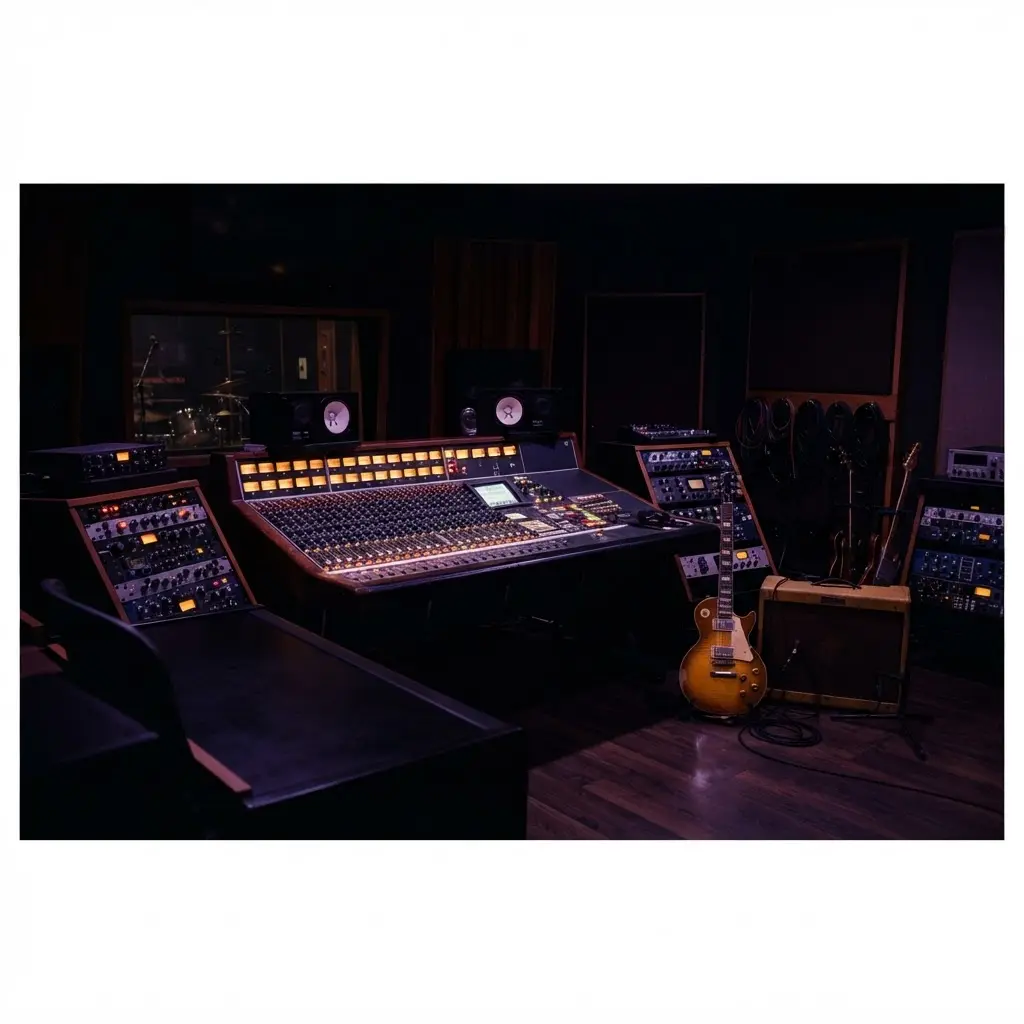
The sequence matters. Arrangement changes come before tracking, tracking comes before mixing, and mixing comes before mastering. Paying for polish at the wrong stage can leave the same problem untouched. A demo with an unfocused chorus will still feel unfocused after mastering. A demo with a buried vocal may need a mix, not another round of writing.
Comparing the options by what needs to change
- Recording quality is the main problem: use a recording engineer, especially for vocals, drums, and instruments that need better capture or cleaner edits.
- The song direction is unclear: use a record producer who can shape structure, feel, and parts without losing the core idea.
- The parts are recorded but the balance is poor: use a mixing engineer to bring out the important elements and reduce clutter.
- The demo is finished but rough in level and tone: a mastering engineer can make the final file more consistent.
- The part itself is weak: consider a session musician if the instrument or performance is holding the track back.
Some projects need two of these roles. A producer may guide the arrangement while an engineer handles the session. A producer may also mix, or an engineer may be trusted with both tracking and mixing. The key is to define the work before the session starts. Broad requests such as make it sound better can lead to different results from different people.
What to check before hiring
Start with a portfolio that resembles the result you want. Listen for clarity, style, and respect for the song rather than only for a glossy sound. A heavy, bright mix may suit one genre and ruin another. A producer who favors stripped-back arrangements may not be the right match for a dense rock demo. This is not about ranking talent. It is about fit.
Ask how the work is usually structured. Is the first conversation about the song, or does paid time begin immediately? Are edits included, and how many revisions are normal? What files are needed before the session? What will be delivered at the end? Clear answers here prevent confusion later. A session rate can be useful for budgeting, but the scope attached to it matters more than the number alone.
Also check how feedback is handled. Some people work best with detailed notes. Others prefer to interpret the song and send back a first version. If the artist needs to approve each stage, that should be agreed in advance. If the artist wants someone to take charge, that should be just as clear.
Useful files often include the song in its current form, separate tracks if available, tempo notes, a lyric sheet, and a short written description of the intended direction. The aim is not to overload the professional with instructions. It is to reduce the time spent guessing. Better briefs tend to produce better decisions, whether the work is technical, creative, or both.
Music production services can cover recording, arrangement guidance, editing, mixing, and other parts of the process, so the label alone does not tell you what will happen in a session. Look at the actual task in front of the demo. If the vocal needs rescue, focus on capture. If the song never lifts, focus on direction. If the track is crowded, focus on balance.

Making the final choice
For a demo that sounds rough but has a solid shape, an engineer is often the most direct choice. For a demo that feels uncertain or unfinished at the song level, a producer is usually more useful. For a demo that simply needs to be heard clearly, mixing may be enough. Mastering is best treated as the last stage, not a shortcut around earlier decisions.
Many artists benefit from combining roles at different points. The first improvement might be a new vocal take. The next might be an arrangement change. Later, a clean mix can make the whole idea easier to hear. Choose based on the problem you can hear, not on the title you think sounds more prestigious.
A strong demo does not need every part of a full studio workflow. It needs the right amount of help for the stage it has reached. Define that stage, compare the available approaches, and the decision becomes much easier.